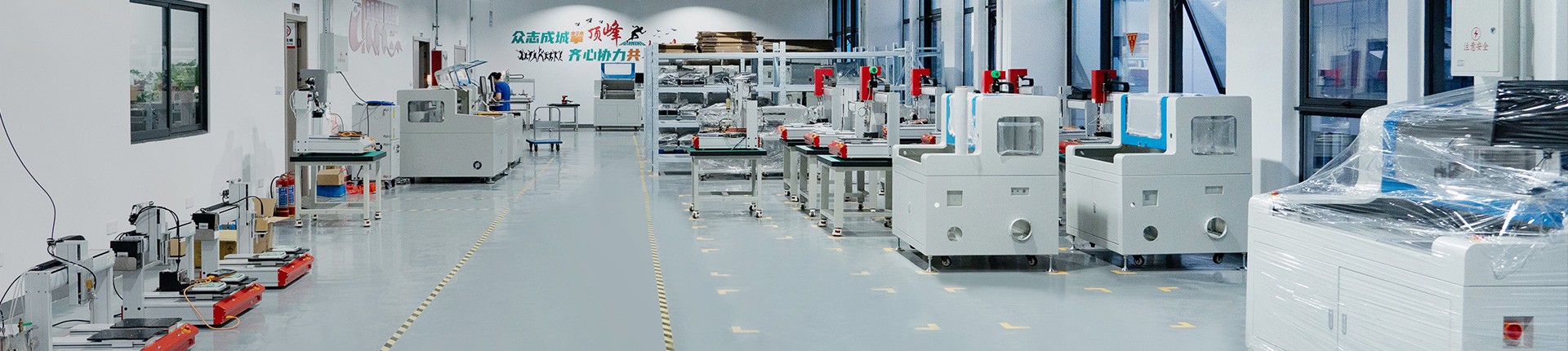
The decision between inline and offline depaneling is not about technology preference. It is about production maturity, volume, and integration complexity. JELIO builds both platforms and helps manufacturers choose the right path for their current stage.
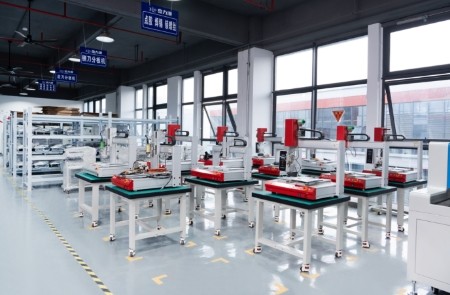
Offline Systems: Flexibility First
Standalone machines sit beside the SMT line or in a separate work area. Operators load panels manually and collect separated boards. JELIO's offline platforms suit prototyping, low-volume production, and environments where product mix changes frequently. They require no conveyor integration and can be relocated as floor plans evolve.
Inline Systems: Throughput at Scale
Inline machines connect directly to the SMT conveyor through standard SMEMA interfaces. Boards enter automatically, get cut, and exit to the next station without operator touch. JELIO's inline platforms handle high-volume automotive, consumer electronics, and EMS lines where labor cost and cycle time drive profitability.
The Transition Point
Many manufacturers start with offline units for prototyping and NPI runs. As volume stabilizes and product mix narrows, the economics shift toward inline automation. JELIO designs platforms that share control architecture and tooling standards, making the upgrade path smoother than switching vendors.
Integration Reality
Inline automation requires floor space, conveyor alignment, and MES connectivity. JELIO's engineering team evaluates these constraints during pre-sales consultation, not after the machine arrives. This prevents costly retrofitting and production downtime.



Router / Milling DepanelingGuillotine DepanelingLaser DepanelingIntegrated SystemsPeripheral Equipment
Automotive ElectronicsSemiconductor & ElectronicsNew EnergyLED & LightingConsumer Electronics
Company ProfileR&D & InnovationManufacturing CapabilityGlobal Clients
LINE ID: jeliochina
Office HeadquartersNo. 5 Datong Road, High-Tech Zone
Suzhou, Jiangsu 215000, China
 Scan LINE QR
© 2026 JELIO Automation. All rights reserved.

+8618994642000


 LINE ID: jeliochina
 Email: xiafangtong@gmail.com